The Story
Cloth that remembers.
BY SEEMA did not begin as a business in the usual sense. It began with a simple refusal: to sell nothing Seema would not keep herself. That refusal is still the only rule the atelier runs on.
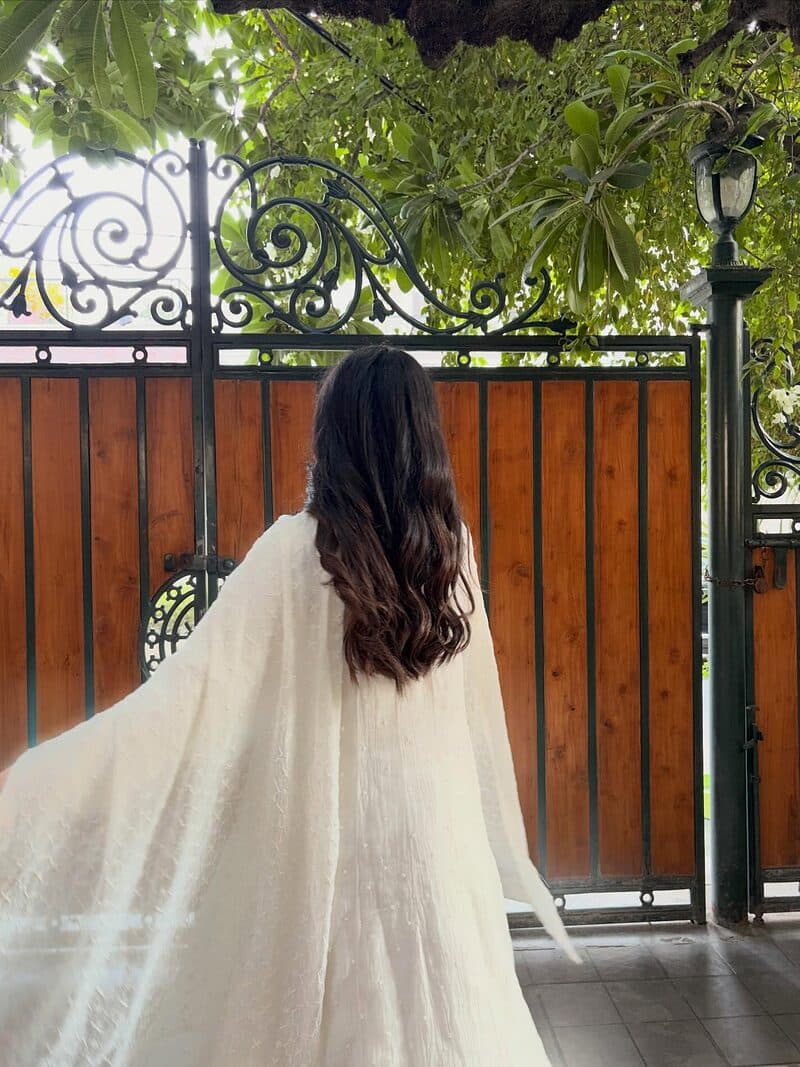
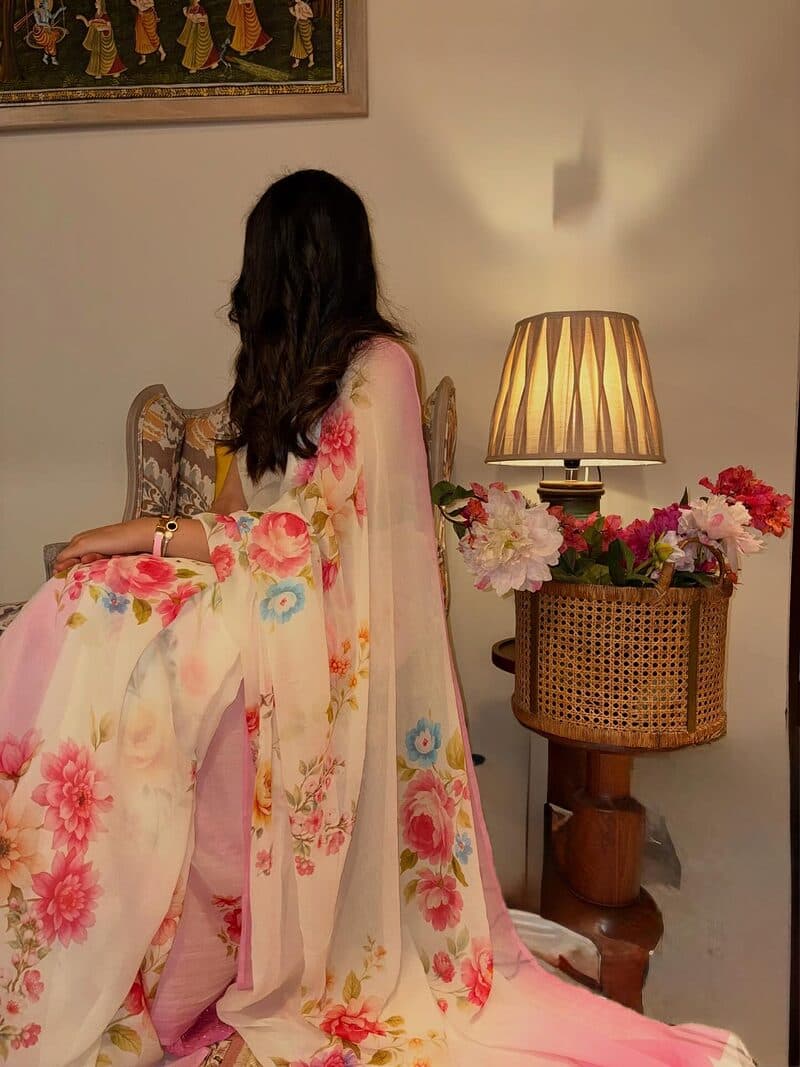
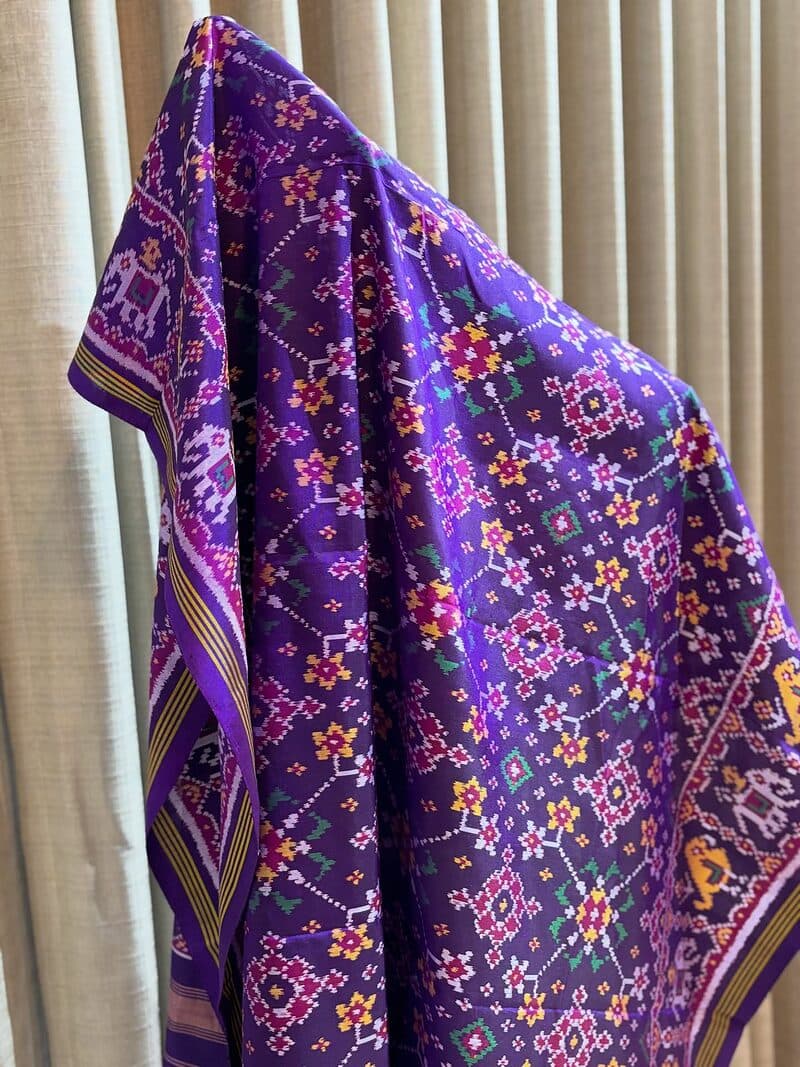
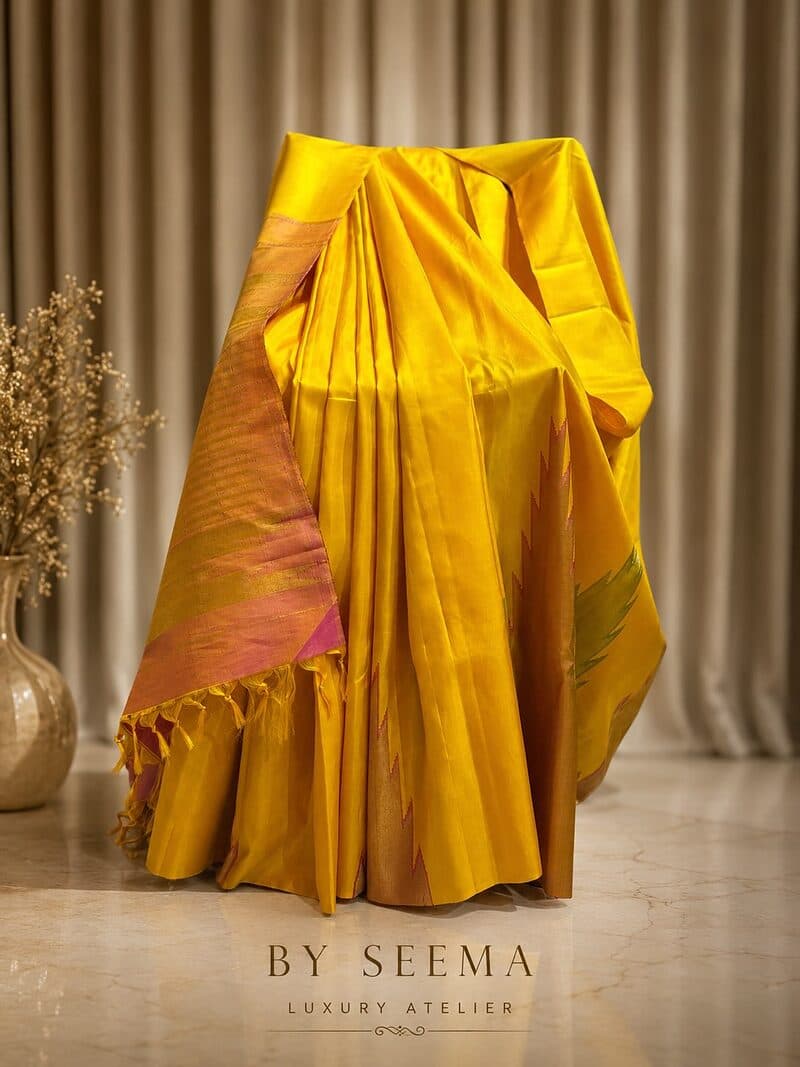
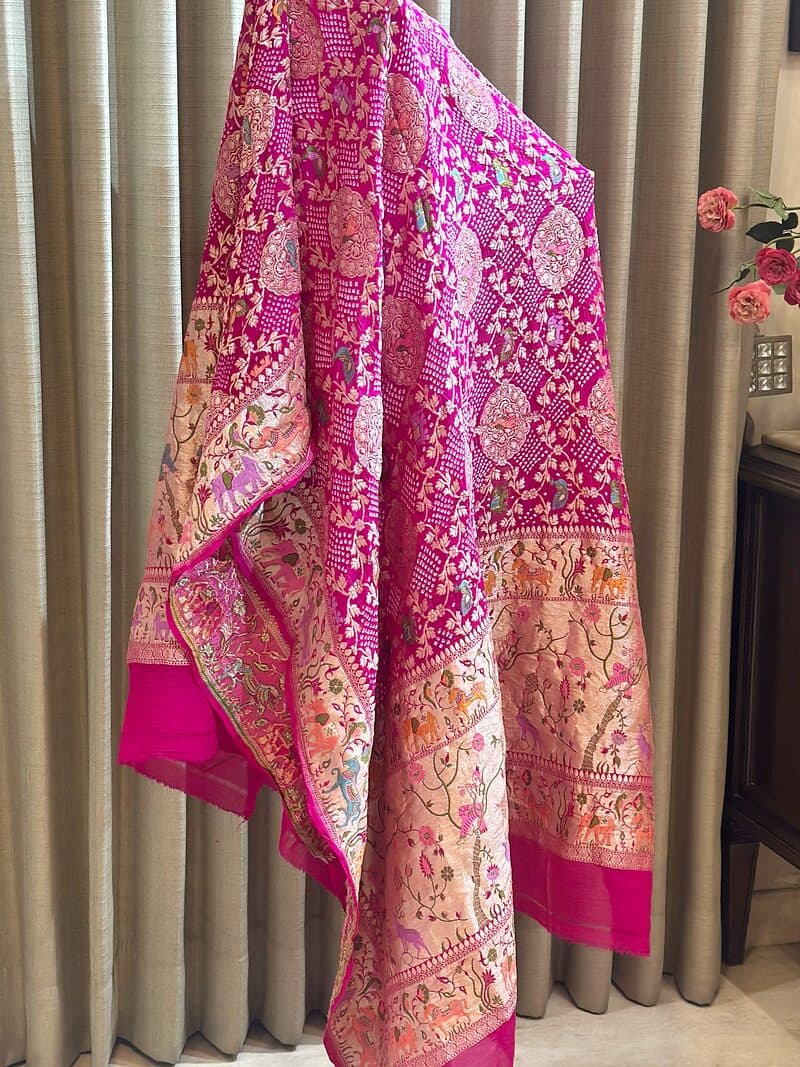
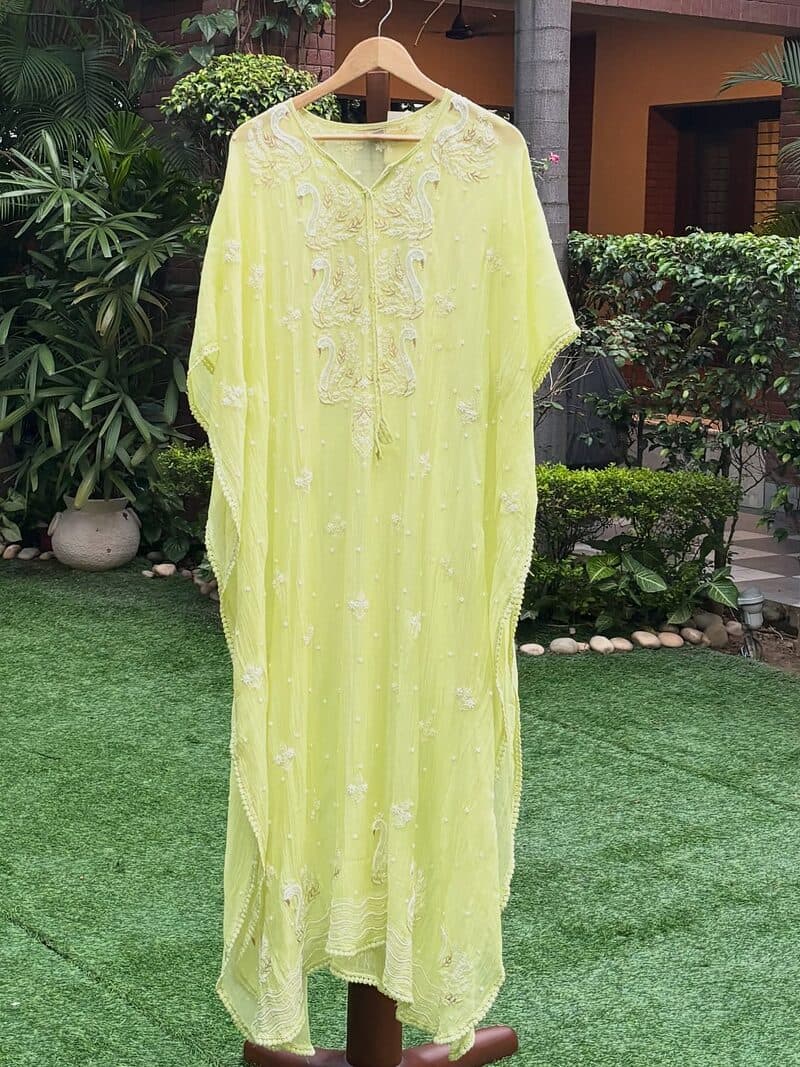
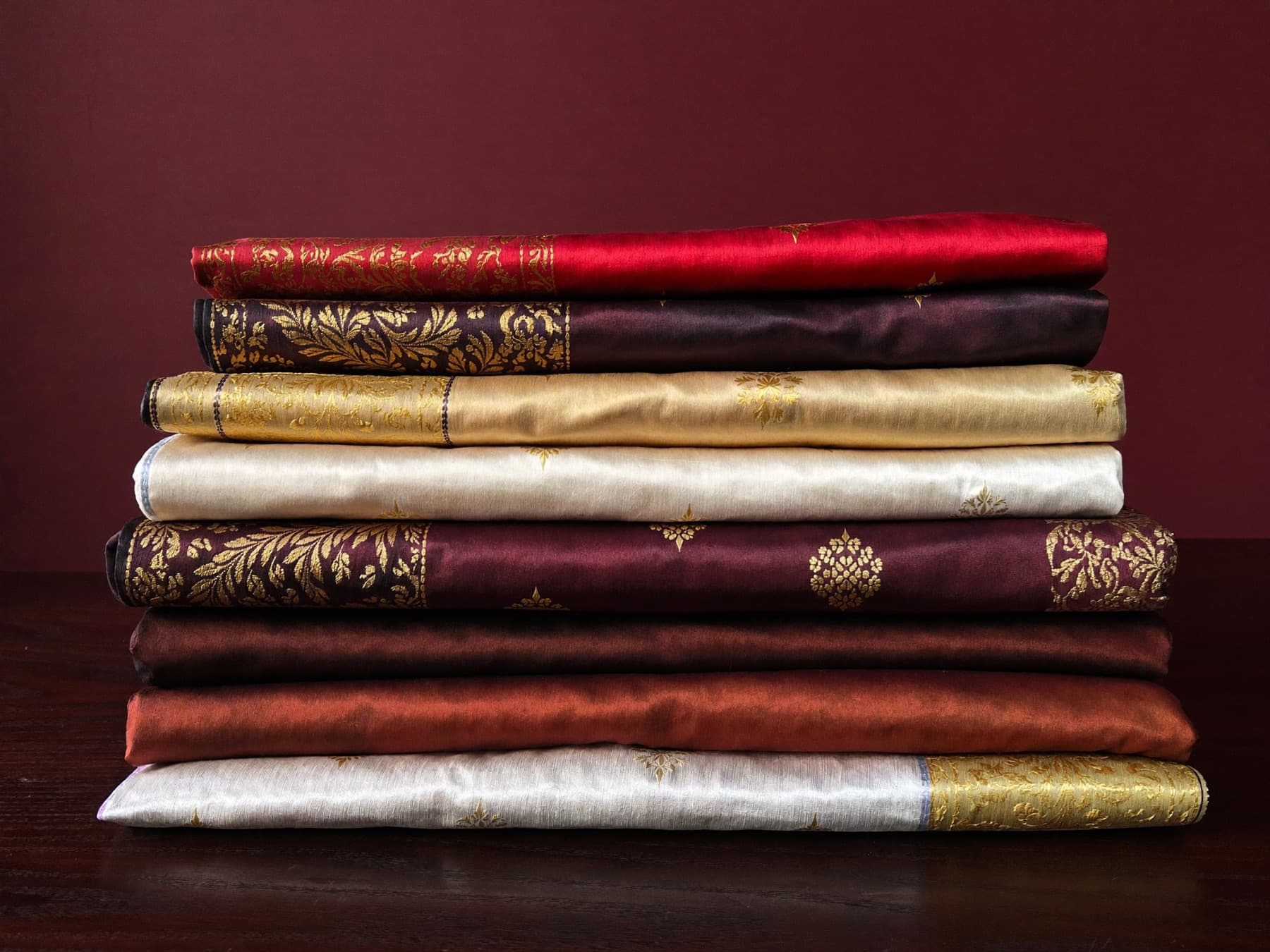
What she keeps is hand-worked and singular: chikankari, gota patti and resham embroidery from workrooms in Delhi, zardozi from Lucknow, Rajkot sarees, Patan patola, silk dupattas. Nothing is repeated. When a piece is gone, it is gone.
So the atelier stays small on purpose: only a handful of pieces at a time, never many more, each one chosen because she would keep it herself. Only part of what Seema carries is listed here at any moment; if you are looking for something you cannot see, ask her for it.
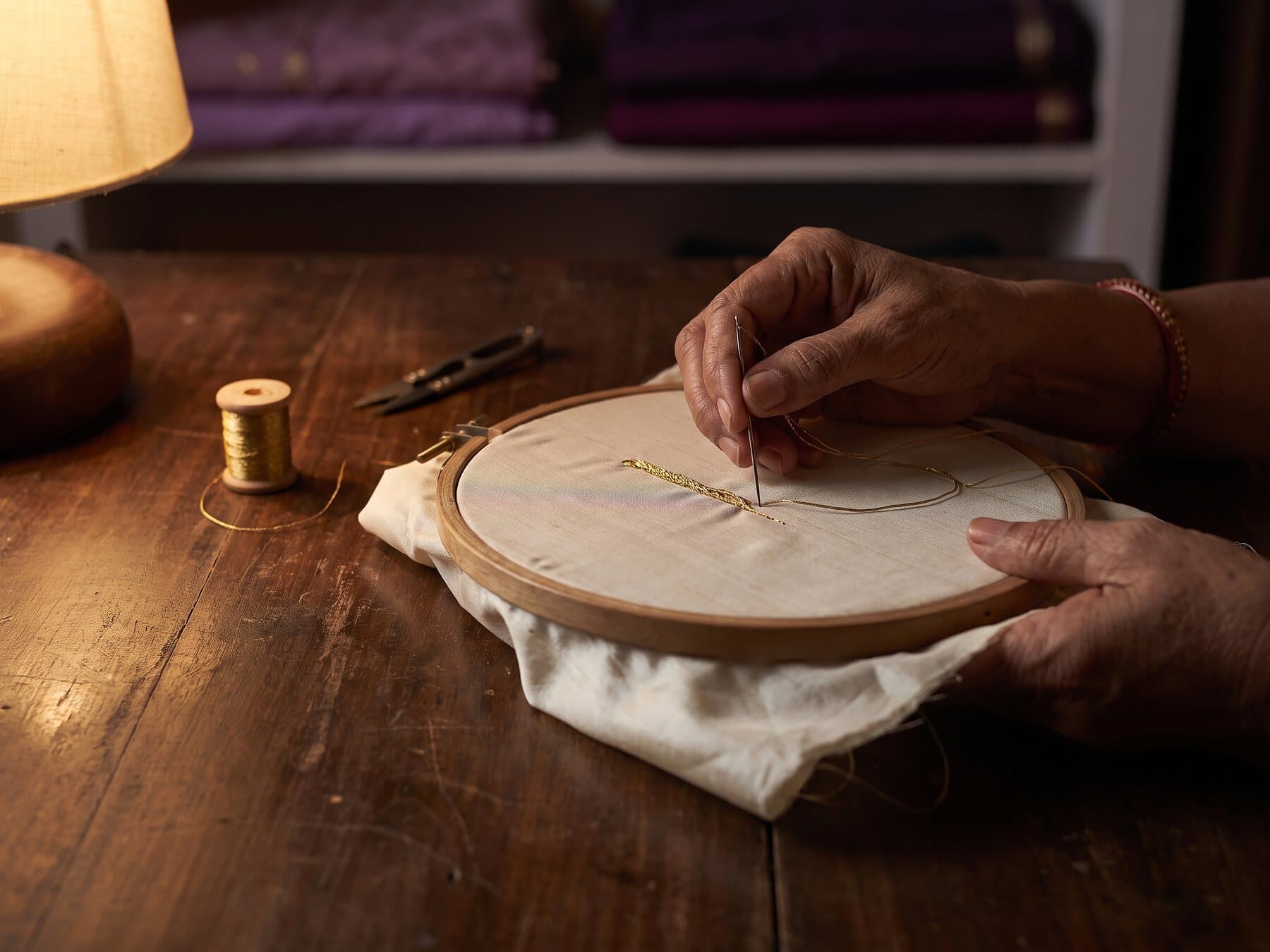
Patience, before anything else is added
“A machine can repeat a pattern exactly, every time. A hand cannot, and that is exactly what you are wearing.”
The atelier keeps no stockroom and runs no sales. Pieces are shown with their real prices, and when one is reserved or sold it stays on the site, marked plainly, part of the archive. Buying is a conversation on WhatsApp, not a checkout. It happens the way it would if you visited.
This is a small way of working, and it is meant to stay small. Every stitch, every knot, every gold thread is laid by hand. The right wardrobe for cloth like this is one that waited for it.
From the Atelier
Lately, on Instagram.